A Dentist Explains Mouth Sores and Infections
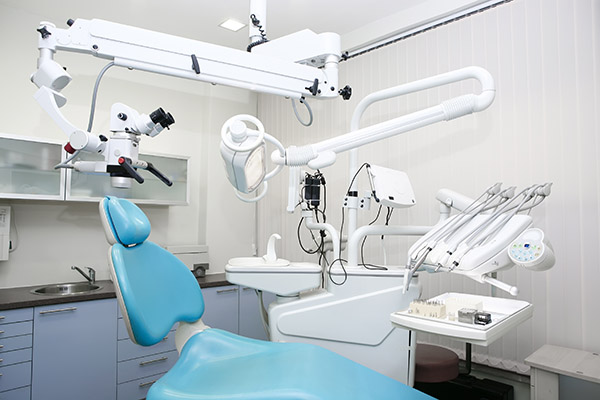 A dentist is the primary care provider for oral health and can help patients who experience mouth sores and infections. Many people have experienced discomfort relating to swelling or painful sores in the mouth. These sores occur inside of the lips, on the tongue, the cheeks, and the soft palate and can hinder normal oral function. Usually, after 7-14 days, a sore may gradually heal on its own. Sores can also be reoccurring.
Possible causes
The following are types of mouth sores and the causes behind them.
- Bacterial infections: These include oral protozoa, syphilis, and gonorrhea.
- Disease-related mouth sores: Some diseases may cause mouth sores, including gastrointestinal infection, Crohn’s disease, autoimmune diseases such as lupus erythematosus, skin diseases such as lichen planus, nutrient deficiency, or blood diseases, oral cancer, leukemia, and other cancers.
- Drug-induced mouth sores: Mouth sores, skin rashes, blisters, and other reactions caused by the side effects of drugs. The most common ones include non-steroidal anti-inflammatory analgesics, cancer chemotherapy drugs, anti-epileptics, uric acid lowering drugs, gout treatments, drugs, and immunosuppressants.
- Infectious mouth sores: These include viral, bacterial, and mold infections. Pharyngitis and hand, foot, and mouth diseases are common in young children and are caused by infection. There are small blisters in various parts of the mouth, tongue, palate, cheek mucosa, or pharynx. After the blisters burst, sores are formed, as well as developing a fever and poor appetite.
- Mold infection: Candida albicans is the most common oral mold infection. It is an infection seen in patients with weakened immune function or overuse of antibiotics or immunosuppressive agents (such as steroids).
- Partial scores: These result from physical injuries such as bites, scratches from food or dental appliances, compression of dentures, chemical injuries such as strong acid and alkali erosion.
- Recurrent sores: These have a family genetic predisposition. They often occur for the first time in childhood. Mental stress, hormonal changes, food allergies, and smoking cessation may also cause these.
Prevention
Mouth sores may result from underlying alignment; you should see a dentist for a diagnosis. Here are a few general tips to keep in mind. Pay attention to oral hygiene. Work to develop a good oral hygiene routine, brush twice daily, and gargle immediately after meals. Rinsing your mouth from time to time can also help. Additionally, it is important to reduce mouth irritation. Avoid hard foods and irritating condiments such as peppers, onions, ginger, garlic, vinegar, and curry, to prevent affecting healing wounds. It is also critical to pay attention to the nutritional mix. Eat more fresh vegetables and fruits rich in iron, folic acid, vitamin B12, or zinc.
Talk to your dentist about mouth sore treatment
Mouth sores are common. There are many causes and treatment methods that need to be considered by a dentist. Prompt diagnosis and treatment are needed in order to prevent a condition from worsening.
Request an appointment or call Miami Beach Smiles at 305-203-4148 for an appointment in our Miami Beach office.
Related Posts
Parents may have questions about their children's permanent teeth or adults may also want to reach out to a dentist to learn more about how to best care for their teeth. The following are some of the most frequently asked questions about permanent teeth.Once all a child's permanent teeth come in, they should have 32…
Visit your dentist immediately to repair a chipped tooth. Having a chipped tooth can be a pain. No one wants to go to the dentist for their regular cleanings, and when you must go because of an emergency, it’s even worse.Don’t be upset; your dentist is the person you want to see when you have…
Dentistry has become increasingly popular in recent years, with more people wanting to maintain their pearly whites than ever before. No longer just limited to treating tooth decay and removing cavities, practitioners can also provide cosmetic dentistry treatments to help you achieve that beautiful smile you've always wanted. If you want to learn more about…