Top 5 Benefits of Choosing Dental Implants for Missing Teeth
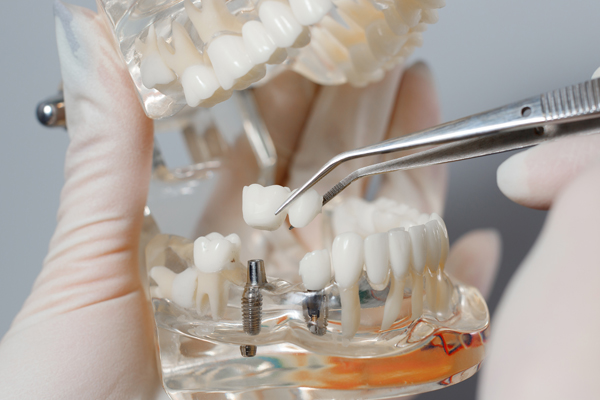
Missing teeth can be a nuisance, whether their absence interferes with speech or makes it hard to eat the foods that you love, but thankfully, a dental implant can be a highly effective method of restoring your smile and bite after losing one or more teeth. While it is true that dental implants are not the only options for recreating a complete bite, they offer advantages that other alternatives, such as dentures, do not.
Why choose dental implants to replace teeth
A dental implant is a type of tooth replacement that affixes a prosthetic tooth onto a metal pole that is inserted into the jawbone. Its installment entails a more in-depth and time-consuming process than other tooth replacement options like dentures, but implants are beneficial for oral health and avoid the common drawbacks of many other choices. The main benefits of choosing dental implants for missing teeth are as follows.
They stimulate the jawbone
The jawbone remains strong throughout one's life because simple daily acts like chewing stimulate the bone tissue. The forces applied by the bite transfer through the tooth roots, keeping the bone thick and tough. However, when a tooth is lost, the area that it occupied no longer has a root attached to the jawbone.
As a result, the bone in that area can begin to atrophy, or weaken. This can cause a sunken look in the face and may even impact the teeth around that space. A dental implant utilizes a metal rod that functions just like a tooth root, stimulating the jawbone to avoid these issues.
They blend in seamlessly
When someone finally has their missing tooth replaced, they want it to look good, and that is a reasonable request! Options like dentures can have an artificial look, but dental implants mimic natural teeth in a way that dentures cannot. The prosthetic tooth of an implant is made of porcelain or a composite material with the same glossy, translucent properties as real teeth.
Additionally, dental implants are crafted with the person’s existing dentition in mind. The implant color will match the natural teeth so it does not stand out and instead, blends in seamlessly.
They last a long time
Any tooth replacement option will need maintenance over time, but dental implants are longer-lasting than many other choices. Dentures typically need work or replacement after around seven to 10 years. Conversely, implants can last 15 years or more, with some people even seeing over 20 years of service from their implants with few or no issues.
The implants’ resilience comes down to the materials from which they are made. Porcelain and composite are strong and can withstand normal bite forces. The titanium or zirconia of the metal portions are highly biocompatible and used in other applications (like hip implants) for their ability to resist stressors.
They are fixed in position
Since dental implants are bonded directly into the bone tissue, they do not move once put in place. This contrasts with dentures, which can accidentally slip around or even fall out when the person is speaking or eating.
The immovability of dental implants is ideal for more than just convenience. When the bite remains consistent every day, the muscles of the face can relax rather than adapt constantly. This helps prevent temporomandibular joint disorders and soreness.
They cannot get cavities
While any type of tooth replacement option will not be able to get cavities because they are all made of artificial materials, dental implants are especially resilient against decay. Dentures can develop bacterial buildup on all surfaces, including underneath the glue that holds the denture against the gums.
In contrast, dental implants simply need to be taken care of like natural teeth. They are protected by the gums in the same way, so they have a smaller overall surface area that can be impacted by bacteria.
Explore dental implants for your missing teeth
A dental implant is a worthwhile tooth replacement option because of its longevity, ability to stimulate the jawbone, resistance to bacteria, and seamless integration into the smile. If you are considering dental implants, it is useful to know what makes them unique compared to other options so you can make an informed decision.
Many people make great candidates for a dental implant, but some will need a bone graft first to be sure their jawbone can support the implant post. Contact our office to schedule an appointment to see whether dental implants are a good fit for you!
Request an appointment here: https://www.dentistmiamibeachfl.com or call Miami Beach Smiles at (305) 203-4148 for an appointment in our Miami Beach office.
Check out what others are saying about our dental services on Yelp: Dental Implants in Miami Beach, FL.
Related Posts
Routine dental care is one of the most important factors contributing to good dental health. While going to the dentist twice a year is the standard rule of thumb, the frequency of the visits ultimately depends on the patient's needs and the recommendation of the dentist. Learn how often routine care should be scheduled and…
A cosmetic dentist can offer different options for repairing your damaged tooth or teeth. Your teeth are strong, but when there is intense trauma, they could crack or chip. Seeing your dentist right away is necessary to prevent more damage. This is also important in rebuilding your self-esteem. Here are the different ways a cosmetic…
It is all too common to avoid dental cleanings until a tooth begins to ache. Or maybe you decided to get ahead of any dental issues, but years have passed due to a lapse in insurance, a lack of time, anxiety, or something else. Whatever it is, there is no need to feel nervous, awkward,…
Tooth extraction is a procedure that requires a short period of healing. When a tooth is removed from its socket, there is an empty space left behind, which can be a site for infection growth if the proper steps are not taken. Thankfully, dentistry has come quite a long way when it comes to providing…